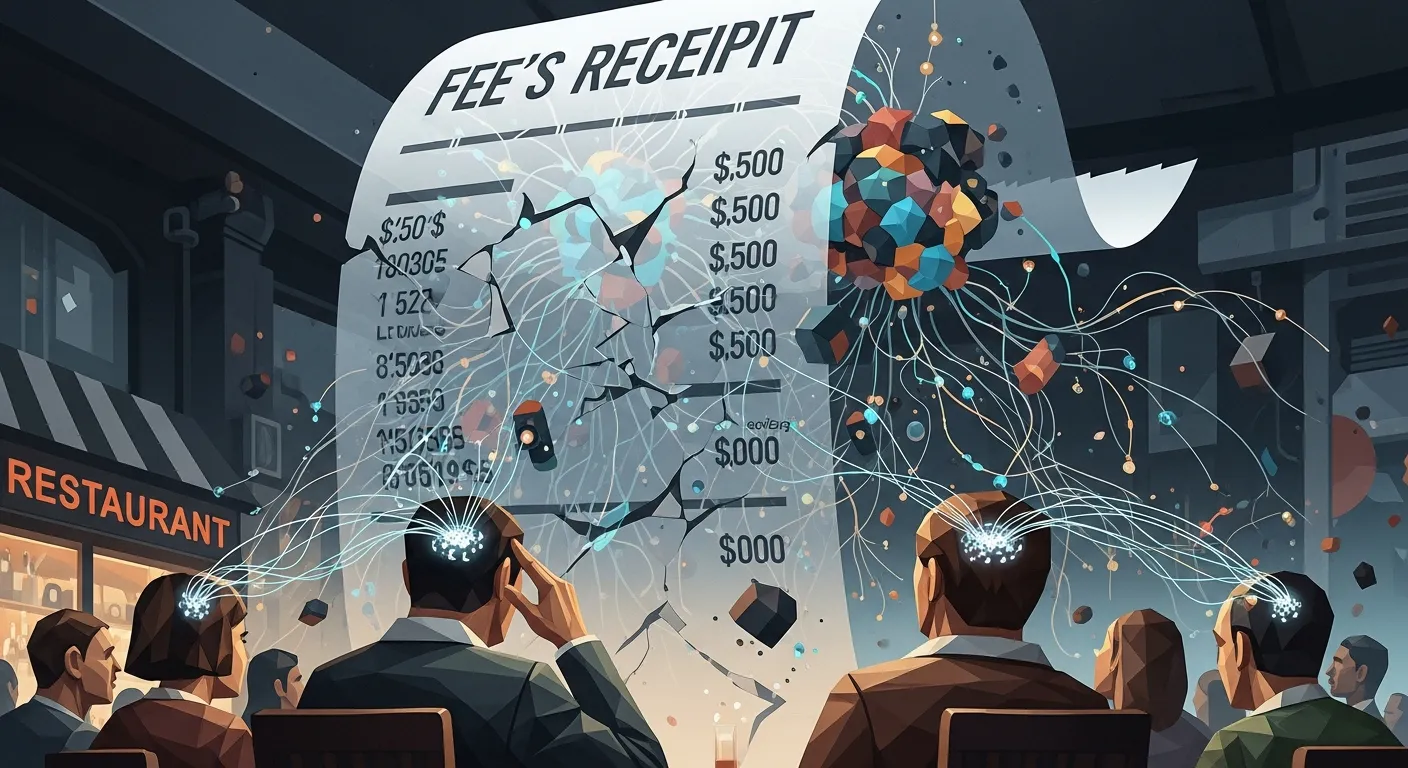
The Hidden Psychology Behind Customer Fee Rage
Why some fees trigger customer fury while others don't. Understanding the emotional triggers behind fee acceptance can transform your pricing approach.
The Emotional Minefield of Modern Pricing
You've felt it before. That flash of anger when you see an unexpected fee at checkout. Or the slow burn when you realize you're paying extra for something that should be basic service. These moments don't just cost money – they reshape how customers see your entire brand.
Most businesses think about fees as simple math. Add cost here, recover margin there. But customers process fees through a completely different lens. They're making split-second judgments about fairness, respect, and whether you see them as a partner or a profit center.
The gap between how companies create fees and how customers experience them explains why some businesses build fierce loyalty while others face constant churn. Let's explore what really drives customer reactions to fees and how smart companies are rethinking their entire approach.
When Fees Feel Like Betrayal: The Trust Killers
Some fees don't just annoy customers – they make them feel deceived. These are the charges that transform a simple transaction into an emotional battleground.
The Bait-and-Switch Effect
Nothing destroys trust faster than surprise costs. When customers commit to a purchase at one price, then discover additional charges, their brain processes this as deception. The shipping fee that appears at checkout. The processing charge that wasn't mentioned upfront. The "convenience" fee for using the company's preferred payment method.
These fees work against basic psychology. Once someone has mentally committed to buying something, additional costs feel like punishment for their decision. Smart companies have learned to show all costs upfront, even if it means some customers don't start the buying process.
The Penalty Trap
Fees that punish normal human behavior create lasting resentment. Late fees when payment systems go down. Cancellation charges when life circumstances change. Modification fees when customers need to adjust their orders.
These charges send a clear message: "We don't trust you, and we're going to make you pay for being human." Companies using penalty-based fee structures often see short-term revenue gains but long-term relationship damage.
The Operational Burden Shift
The most frustrating fees are those that charge customers for the company's operational choices. Paper statement fees when digital delivery saves the company money. Phone support charges when automated systems can't handle complex issues. Return fees when product descriptions were unclear.
These fees essentially ask customers to subsidize business inefficiencies. They create a psychological dynamic where customers feel they're being charged for the company's problems rather than receiving value.
The Fees That Don't Sting: Understanding Acceptance
Not all additional charges trigger negative reactions. Some fees feel natural, even appreciated. Understanding why reveals important principles about customer psychology.
Choice-Based Premiums
Customers readily accept fees when they're choosing enhanced value. Express shipping for faster delivery. Premium support for complex issues. Extended warranties for peace of mind. These fees work because they give customers control and clear benefit.
The key difference is agency. When customers choose to pay more for something better, the fee feels like an investment. When they're forced to pay more for the same thing, it feels like exploitation.
Transparent Cost Recovery
Fees tied to obvious external costs rarely generate complaints. Government taxes clearly labeled. Credit card processing fees that match industry standards. Fuel surcharges during price spikes. These work because customers can see the logic behind them.
The transparency creates understanding. Customers might not love paying extra, but they don't feel manipulated when they can trace the fee to a real, external cost.
Usage-Based Logic
Pay-for-what-you-use structures align with customer sense of fairness. Data overage charges that kick in after generous limits. Storage fees for actual space used. Transaction fees tied to actual transactions processed.
These fees work because they follow intuitive logic. Customers understand that using more should cost more, as long as the relationship is clear and predictable.
The Real Reasons Companies Create Problem Fees
Most frustrating fees don't start with malicious intent. They emerge from legitimate business challenges and internal pressures. Understanding these root causes helps explain why fee problems persist.
The Spreadsheet Trap
Many fee structures are born in finance departments, not customer experience teams. Analysts see costs that need recovery and create charges to match. They focus on margins and revenue targets, not customer emotions.
This creates fees that make perfect sense on paper but feel terrible in practice. The math works, but the psychology doesn't. Companies end up optimizing for quarterly numbers while damaging long-term relationships.
Competitive Pressure Distortions
In price-sensitive markets, companies often hide true costs through fee structures. Base prices stay competitive while profitability comes from add-ons. Airlines pioneered this with baggage fees. Hotels perfected it with resort charges.
This approach can work short-term, but it trains customers to expect deception. It also creates vulnerability when competitors offer truly transparent pricing.
Behavioral Engineering Gone Wrong
Some fees are designed to shape customer behavior. Late fees encourage timely payment. No-show charges reduce waste. Change fees prevent system gaming.
The problem comes when these fees become profit centers rather than behavior tools. What starts as gentle nudging becomes aggressive revenue generation. Customers sense this shift and react accordingly.
The Cultural Signal Your Fees Send
Every fee structure tells a story about company values. Customers read these signals and make judgments about whether they want to do business with you.
Partnership vs. Transaction Mindset
Companies focused on long-term relationships structure fees differently than those chasing short-term transactions. Partnership-minded businesses absorb small operational costs to reduce customer friction. Transaction-focused companies monetize every interaction.
This difference shows up in countless small decisions. Whether you charge for customer service calls. How you handle returns. Whether you warn customers about upcoming charges. These choices reveal your true priorities.
Trust Building vs. Trust Extraction
Some fee structures build trust by being predictable and fair. Others extract trust by creating uncertainty and surprise charges. The difference compounds over time.
Trust-building companies err on the side of transparency, even when it costs them short-term revenue. Trust-extracting companies maximize immediate income while burning relationship capital.
Customer Advocacy vs. Revenue Optimization
The most telling signal is how companies handle fee disputes. Do they look for ways to waive charges when customers have legitimate concerns? Or do they rigidly enforce every policy regardless of circumstances?
Companies that regularly waive fees for good customers send a powerful message about priorities. Those that never bend communicate something entirely different.
Building a Fee Strategy That Strengthens Relationships
Smart companies are rethinking fees entirely. Instead of asking "How can we recover this cost?" they're asking "How can we create value while being fair?"
The Transparency Test
Before implementing any fee, ask whether you'd be comfortable explaining it to your best customer. If the conversation would be awkward, the fee probably needs rethinking.
Good fees have clear logic that customers can understand and accept. Bad fees require complex explanations and defensive justifications.
The Competitive Reality Check
Consider whether your fee structure would survive if a well-funded competitor entered your market tomorrow. Fees that exist because "everyone does it" are vulnerable to disruption.
The most sustainable fees are those that customers would choose even with better alternatives available.
The Relationship Investment Approach
Instead of viewing every cost as something to recover through fees, consider which costs are worth absorbing to strengthen customer relationships. Sometimes the best fee strategy is having fewer fees.
This doesn't mean giving everything away. It means being strategic about where you ask customers to pay extra and where you invest in their experience.
The Long-Term View on Fee Strategy
The companies winning customer loyalty are those that think beyond immediate cost recovery. They understand that how you charge customers matters as much as what you charge them.
Customer reactions to fees reveal deep truths about trust, fairness, and respect. When you charge someone extra, you're not just collecting revenue – you're communicating your values. Make sure that message aligns with the relationship you want to build.
The best fee strategies don't just recover costs or manage behavior. They strengthen the customer relationship while supporting business sustainability. That balance is difficult to achieve, but it's what separates companies that customers tolerate from those they actively recommend.
Your fee structure is a mirror. It reflects how you really think about customers and what kind of business you want to build. Make sure you like what you see.
Share this article
Join the newsletter
Get the latest insights delivered to your inbox.