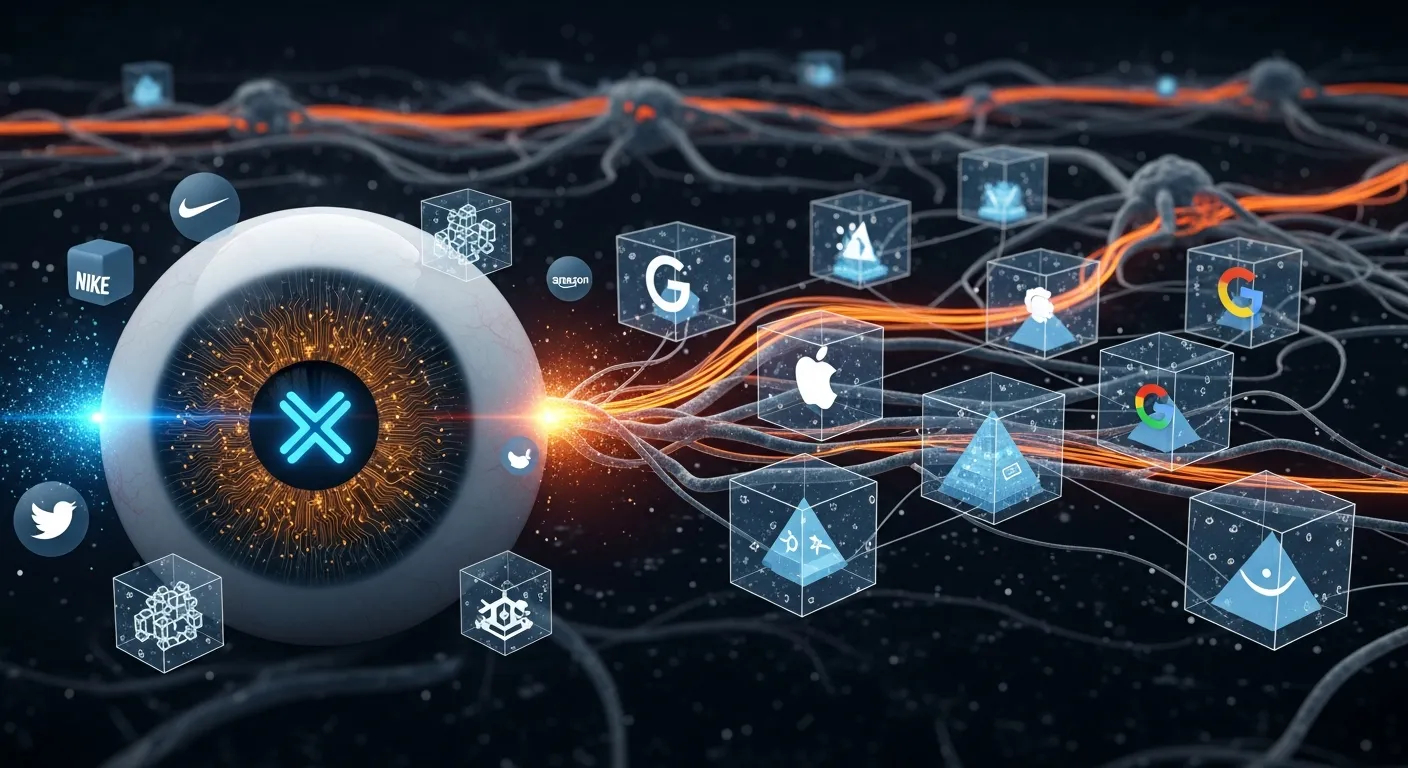
Why Your Marketing Metrics Are Lying About Customer Behavior
Traditional click-based metrics miss 70% of the modern customer journey. Here's what really drives purchasing decisions in the AI era.
Your analytics dashboard shows declining website traffic, but your sales are up. Your click-through rates dropped, yet brand awareness seems stronger than ever. If you're scratching your head at these contradictions, you're not alone.
The problem isn't your data. It's that we're measuring yesterday's customer behavior with yesterday's tools, while customers have already moved on to tomorrow's habits.
Modern buyers don't follow the neat path we've mapped out for them. They don't search, click, browse, and buy in predictable sequences. Instead, they absorb information passively, store it mentally, and act when they're ready – often weeks or months later.
The Invisible Journey That's Reshaping Everything
Think about your own buying behavior. When did you last make a significant purchase after clicking the first search result? More likely, you gathered bits of information from various sources over time, formed opinions gradually, and eventually sought out a specific brand when you were ready to buy.
This shift isn't just about changing preferences. It's about changing capabilities. AI assistants now answer questions directly. Voice searches provide immediate responses. Social platforms deliver curated content streams. Customers can research thoroughly without ever visiting a company website.
Traditional marketing funnels assume customers move linearly from awareness to consideration to purchase. But modern customers build awareness through ambient exposure, develop preferences through repeated encounters, and make decisions based on accumulated trust rather than single interactions.
The old model measured each touchpoint separately. The new reality requires understanding how invisible influences shape visible actions.
Three Hidden Stages That Actually Drive Decisions
While marketers obsess over conversion funnels, customers experience three distinct phases that rarely show up in analytics: ambient awareness, mental availability, and intentional engagement.
Ambient Awareness: The Background Influence
Customers encounter your brand in places you can't track. They see your company mentioned in AI-generated summaries. They notice your logo in social media discussions. They hear your name in podcasts or conversations.
These exposures don't trigger clicks or conversions. They don't appear in attribution reports. But they're building familiarity and credibility in ways that traditional advertising never could.
Consider how you recognize brands in your daily life. You probably couldn't trace when you first heard of most companies you trust. The awareness built gradually through repeated, low-key exposures that felt natural rather than promotional.
Mental Availability: The Preference Formation
After enough ambient exposure, brands achieve mental availability – they become options customers consider when needs arise. This isn't about being top-of-mind for everyone. It's about being an accessible choice for the right people at the right moments.
Mental availability develops through consistency rather than intensity. Customers need to encounter your perspective, values, or expertise repeatedly in contexts that matter to them. Each exposure reinforces your position in their mental landscape.
The challenge is that mental availability is nearly impossible to measure directly. You can't survey people about brands they're not actively considering. You can't track subconscious preference formation. But you can observe its effects in search behavior, engagement patterns, and conversion quality.
Intentional Engagement: The Moment of Action
When customers finally click, visit, or purchase, they're not beginning their journey. They're concluding a process that started long before you could observe it.
Intentional engagement represents the moment when passive awareness becomes active interest. Customers have already formed opinions, compared options, and decided to learn more. The click isn't the start of influence – it's the result of influence that happened elsewhere.
This explains why some traffic converts so much better than others. Visitors who arrive through branded searches or direct visits often have higher intent and familiarity than those who click generic search results or display ads.
What Your Current Metrics Actually Mean
Understanding these hidden stages changes how you interpret familiar metrics. Numbers that seemed negative might actually indicate positive shifts in customer behavior.
Declining organic traffic might mean customers are getting their questions answered without visiting your site. That's not necessarily bad if they're still forming positive impressions of your expertise.
Lower click-through rates could indicate that your content is providing value within search results or AI responses. Users might be getting what they need without clicking, but they're still associating you with helpful information.
Increasing branded search volume often signals that ambient awareness is converting to mental availability. People are actively seeking your brand after encountering it elsewhere.
Higher conversion rates on lower traffic might mean you're attracting more qualified visitors who have already moved through the invisible stages of the journey.
Direct traffic growth typically indicates strong mental availability. When customers type your URL directly or bookmark your pages, they've moved beyond casual interest to intentional engagement.
Building Influence in the Invisible Spaces
If customers are forming opinions in spaces you can't directly control, how do you influence those opinions? The answer lies in being present and valuable wherever your audience gathers information.
Focus on creating content that serves others rather than promoting yourself. When your insights appear in AI summaries or social discussions, they should provide genuine value rather than obvious marketing messages.
Develop a consistent voice and perspective across all channels. Customers should recognize your approach whether they encounter you in search results, social media, or third-party content.
Participate authentically in industry conversations. Comment thoughtfully on relevant posts. Share insights that help others solve problems. Build relationships with influencers and thought leaders who can amplify your perspective.
Optimize for featured snippets, knowledge panels, and other search features that provide information without requiring clicks. These placements build awareness even when users don't visit your site.
Create content that gets referenced and linked by others. When your research, frameworks, or insights become part of broader industry discussions, you build ambient awareness at scale.
Measuring What Matters in the New Reality
Traditional metrics aren't useless, but they need new context and supporting indicators to tell the complete story.
Track share of voice in AI responses and featured snippets. Monitor how often your brand appears in automated summaries and recommendations. These placements indicate ambient awareness building even without clicks.
Watch branded search trends over time. Consistent growth in people searching for your company name suggests that invisible influence is working.
Analyze engagement quality rather than just quantity. Look at time on site, pages per session, and conversion rates for different traffic sources. High-quality engagement often indicates visitors who have already developed familiarity through other channels.
Monitor social mentions and industry references. When others cite your work or reference your ideas, you're building mental availability within professional networks.
Track customer acquisition cost and lifetime value by channel. If certain channels produce customers with higher lifetime value, they might be attracting people who have already moved through the invisible journey stages.
Survey customers about their decision-making process. Ask where they first heard about you, what influenced their choice, and how long they considered your solution. These insights reveal the invisible journey your analytics miss.
The Future Belongs to Patient Marketers
The shift toward invisible influence rewards patience over urgency. Building ambient awareness takes time. Developing mental availability requires consistency. Creating conditions for intentional engagement demands sustained effort across multiple channels.
This doesn't mean abandoning performance marketing or direct response tactics. It means recognizing that these approaches work best when supported by broader influence-building activities.
Companies that master this balance will have significant advantages. They'll build stronger customer relationships, reduce acquisition costs, and create more sustainable growth. They'll also be better positioned as AI continues reshaping how people discover and evaluate solutions.
The customer journey hasn't disappeared. It's just moved into spaces where traditional tracking can't follow. Success belongs to marketers who learn to influence decisions in these invisible moments, even when they can't measure every interaction.
Your next customer is probably already forming opinions about your brand. The question isn't whether you can track that process. It's whether you're doing enough to influence it.
Share this article
Join the newsletter
Get the latest insights delivered to your inbox.