Why Retail's AI Revolution Isn't What You Think It Is
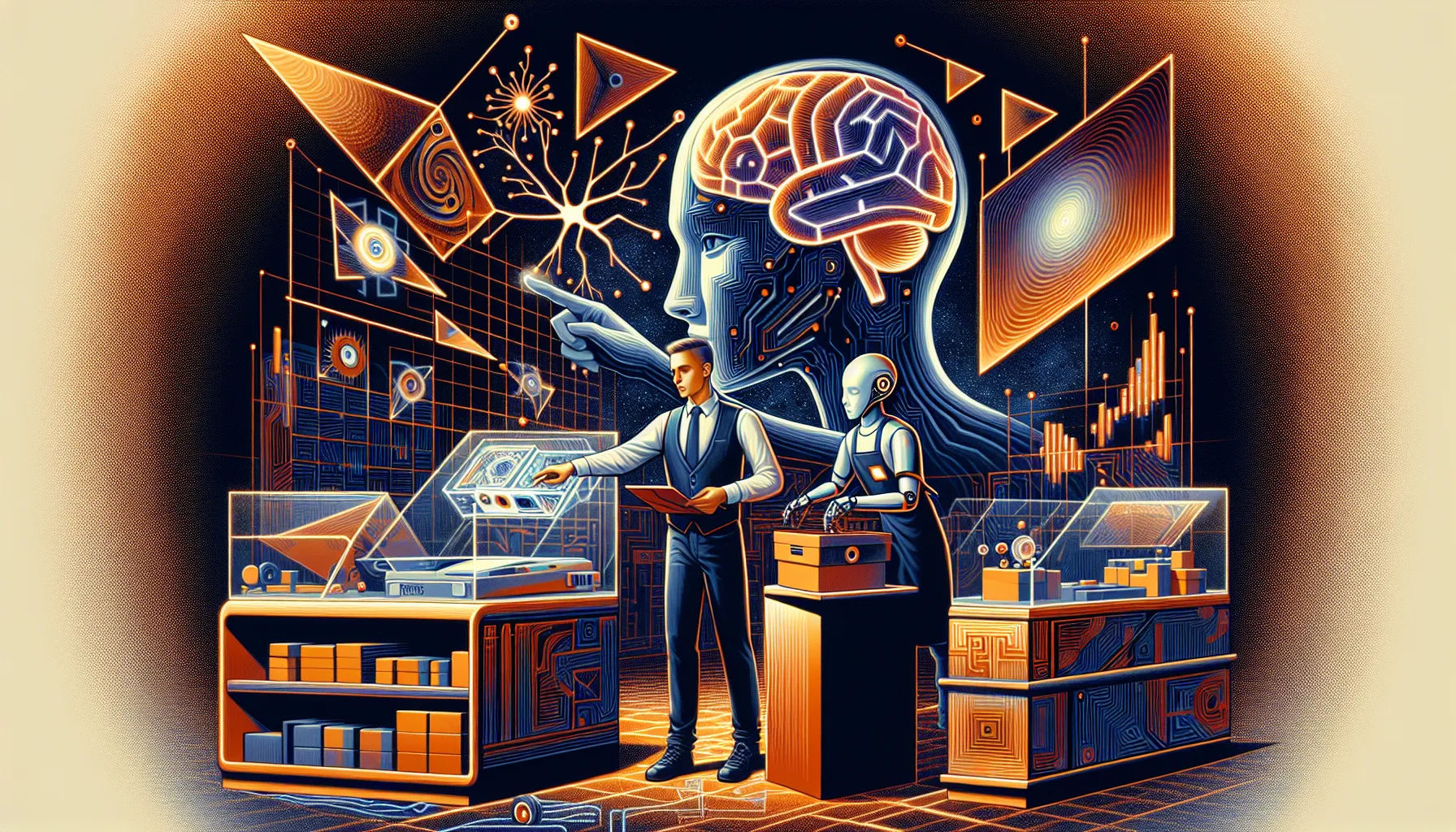
The real story behind retail's AI transformation: it's not about replacing humans—it's about amplifying what makes us human in the first place.
The Quiet Revolution Happening in Your Favorite Stores
Walk into any major retailer today, and you might not notice the biggest change happening right under your nose. There's no flashy robot greeting you at the door. No sci-fi hologram showing you products. Instead, the revolution is subtle, almost invisible—and that's exactly the point.
Retail's relationship with artificial intelligence isn't playing out like the movies promised. While tech headlines scream about AI taking over everything, smart retailers are learning something different. The future isn't about choosing between human touch and machine efficiency. It's about finding the sweet spot where both work together.
This shift represents more than just new technology. It's changing how we think about what shopping means in the first place.
The Memory Business: Why Nostalgia Beats Algorithms
Here's something that might surprise you: the most successful retailers today aren't just selling products. They're selling memories.
Think about the last time you bought something that made you genuinely happy. Chances are, it wasn't because of the product's features or price. It was because of how it made you feel. Maybe it reminded you of your childhood. Perhaps it connected to a moment you wanted to recreate.
This emotional connection is what separates thriving brands from struggling ones. While AI can analyze purchase patterns and predict what you might buy next, it can't create the feeling you get when you see something that takes you back to your grandmother's kitchen or your first apartment.
The Science of Emotional Shopping
Neuroscience tells us that emotions drive nearly all our decisions, including what we buy. When retailers tap into nostalgia, they're not just selling a product—they're offering a way to relive positive memories.
Smart brands understand this. They design experiences that trigger emotional responses. A clothing store might play music from the 90s to connect with millennials. A coffee shop might use packaging that feels handmade and authentic.
The key insight? You can't automate authenticity. AI can help deliver personalized experiences, but the emotional core has to be genuinely human.
Testing Over Talking: The New Retail Mindset
While industry conferences buzz with AI predictions, the smartest retailers are doing something different. They're quietly running small experiments. Testing new tools. Learning what works.
This approach makes sense when you consider how fast technology changes. By the time you've planned the perfect AI strategy, three new tools have launched and customer expectations have shifted again.
The Power of Small Experiments
Consider how successful retailers approach innovation today. Instead of betting everything on one big AI project, they run dozens of small tests. Maybe they try a chatbot for customer service. Or test AI-powered product recommendations for a single category.
Each experiment teaches them something. What do customers actually want? Which AI tools solve real problems versus creating new ones? How do you maintain the human touch while adding machine efficiency?
This experimental mindset creates a huge advantage. While competitors debate whether AI is worth the investment, these retailers are already learning what works for their specific customers.
Building Tomorrow's Foundation Today
The retailers winning today started building their capabilities years ago. They didn't wait for perfect technology. They began with basic tools and gradually added more sophisticated features.
This gradual approach matters because retail success isn't about having the latest technology. It's about understanding your customers better than anyone else. AI is just one tool in that toolkit.
The Conversation Commerce Revolution
Shopping is becoming more like having a conversation with a knowledgeable friend. This shift represents one of the biggest changes in retail since the invention of the shopping cart.
Traditional shopping follows a predictable pattern. You browse categories, compare products, read reviews, and make a decision. But what if shopping felt more natural? More like asking a friend for advice?
Beyond Search: The Rise of Discovery Shopping
AI is making this conversational approach possible. Instead of searching for "blue jeans size 32," you might say "I need something casual for weekend barbecues that won't show stains." The AI understands context, preferences, and even unspoken needs.
This technology works especially well for complex purchases. Buying furniture for your living room involves dozens of considerations—size, style, color, budget, lifestyle. A conversational AI can help navigate all these factors in a way that feels natural.
The magic happens when AI combines product knowledge with understanding of human behavior. It can suggest items you wouldn't have found through traditional search, but that perfectly match what you're actually looking for.
Visual Discovery Changes Everything
Another breakthrough is visual AI that understands context. You can show a picture of your room and ask "what would look good here?" The AI doesn't just match colors—it understands style, space, and how different pieces work together.
This capability transforms shopping from a transaction into a creative process. You're not just buying things—you're designing experiences.
The Human Element That Can't Be Automated
Despite all the AI advances, the most successful retailers understand something crucial: technology should amplify human connection, not replace it.
Think about brands you love. The connection probably isn't based on their technology. It's based on how they make you feel. Their values. The experience they create. The way they solve your problems.
Emotion as the Ultimate Differentiator
In a world where AI can optimize everything from pricing to inventory, emotional connection becomes the ultimate competitive advantage. Anyone can copy your technology. They can't copy the feeling customers have about your brand.
This is why smart retailers focus on creating positive emotions. Joy, excitement, comfort, confidence—these feelings create customer loyalty that goes beyond rational decision-making.
Consider how some coffee shops succeed despite charging premium prices. They're not just selling caffeine—they're selling the feeling of community, comfort, or productivity. The product is almost secondary to the emotional experience.
The Trust Factor
As AI becomes more prevalent in retail, trust becomes even more important. Customers need to feel confident that AI recommendations serve their interests, not just the retailer's profit margins.
Building this trust requires transparency about how AI works and genuine focus on customer benefit. The retailers that get this right will have a massive advantage as AI becomes more common.
What This Means for the Future of Shopping
The retail landscape is evolving toward something more personal and intuitive than we've ever experienced. But this future isn't about choosing between human touch and technological efficiency.
The winning approach combines the best of both worlds. AI handles the complex data processing—understanding preferences, predicting needs, optimizing logistics. Humans focus on what they do best—creating emotional connections, building trust, and designing meaningful experiences.
Preparing for What's Next
For retailers, the message is clear: start experimenting now, but don't lose sight of what makes your brand human. Test AI tools that solve real customer problems. But always ask whether new technology enhances or diminishes the emotional connection with your customers.
For shoppers, this evolution means more personalized, intuitive experiences. Shopping will feel less like work and more like discovery. You'll find products you didn't know existed but that perfectly match your needs.
The key insight driving all of this? Technology is most powerful when it helps humans be more human, not when it tries to replace human qualities altogether.
The retailers that understand this balance—between efficiency and emotion, between automation and authenticity—will shape the future of commerce. They're not just selling products. They're creating the experiences that will define how we shop, discover, and connect with brands in the years ahead.
Share this article
Join the newsletter
Get the latest insights delivered to your inbox.