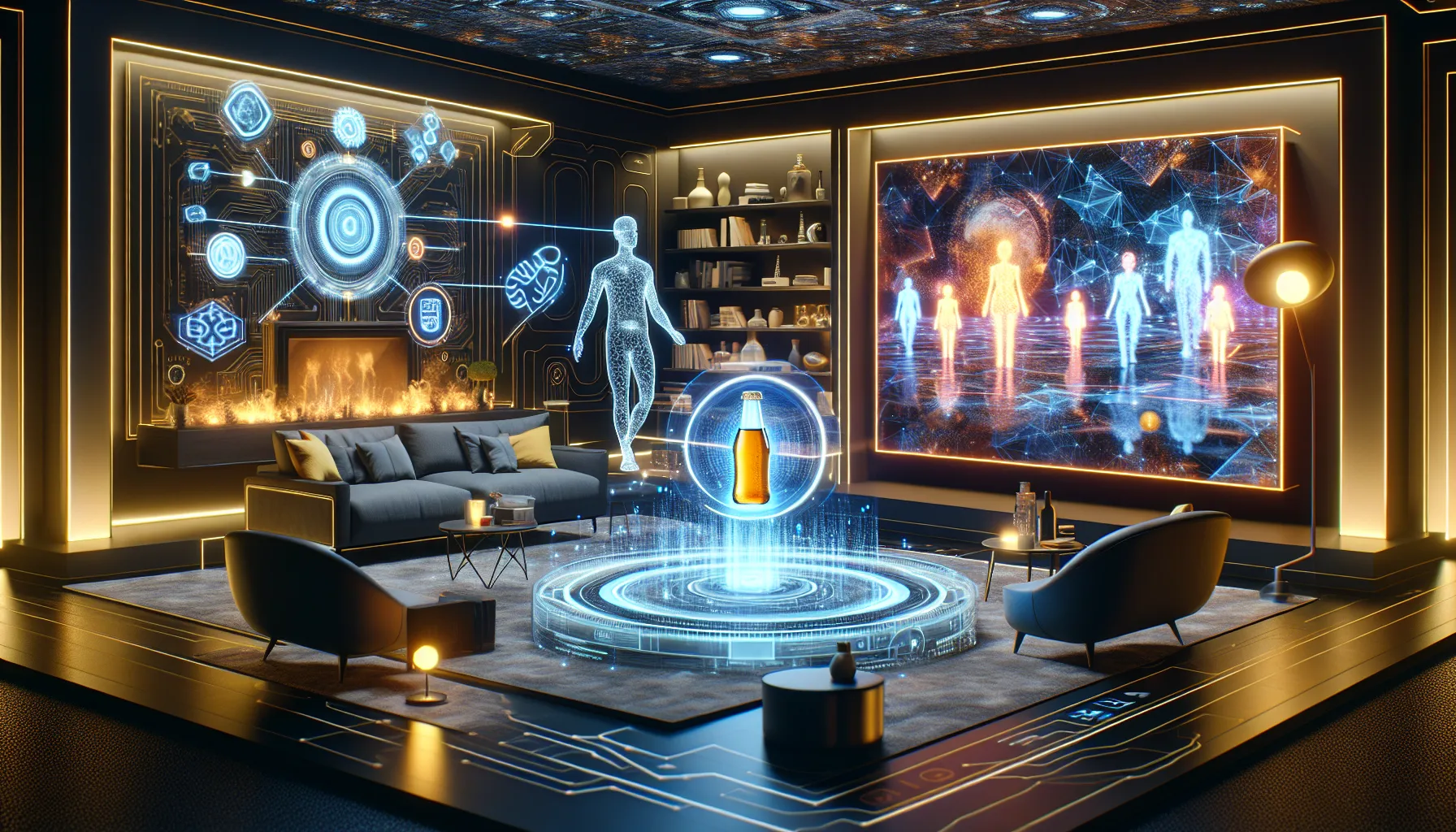
Why Smart Product Placements Are Replacing Old-School Ads
AI is quietly transforming how brands sneak into your favorite shows and videos. Here's why it's working better than anyone expected.
Remember when you could spot a product placement from space? Those awkward moments when actors would suddenly pivot to discuss their favorite soda or car brand? Those days are fading fast, and artificial intelligence is the reason why.
The advertising world is experiencing a quiet revolution. Brands are moving away from the heavy-handed product placements that made viewers cringe. Instead, they're using AI to create seamless, almost invisible integrations that feel natural and authentic.
This shift isn't just about being subtle. It's about being smart. Recent research shows that AI-powered product placements can boost viewer engagement by 35% compared to traditional methods. That's not a small improvement – it's a complete game-changer for how we think about advertising.
The Science Behind Invisible Advertising
AI doesn't just randomly drop products into scenes. It analyzes thousands of data points to find the perfect moments for brand integration. Think of it as having a super-smart assistant that watches every frame of content and identifies natural opportunities.
The technology works by studying visual patterns, dialogue flow, and scene composition. When you see a character casually reaching for a specific brand of coffee in the background, that wasn't an accident. The AI identified that moment as perfect for integration – natural, unforced, and contextually appropriate.
Netflix has been quietly experimenting with this approach in their original series. They partner with brands like Coca-Cola to dynamically insert products based on what the AI determines will feel most authentic to each scene. The result? Placements that viewers accept as part of the story rather than obvious advertising.
Amazon Prime takes this even further. In shows like "The Marvelous Mrs. Maisel," the AI customizes product placements based on viewer data. If you've been shopping for kitchen appliances, you might notice different background products than someone who's been browsing fashion items. It's personalization at a level that was impossible just a few years ago.
Why Traditional Placements Are Failing
Old-school product placement had a fundamental problem: it was obvious. When a character suddenly started discussing the features of their smartphone or took an unusually long sip of a branded drink, viewers knew they were being sold to. This awareness created resistance.
Modern audiences, especially younger viewers, have developed sophisticated ad-blocking instincts. They can sense when content becomes a commercial, and they mentally check out. This phenomenon has made traditional placements less effective and more expensive.
The numbers tell the story. While traditional placements can cost anywhere from $500 to $750,000 depending on the show and placement duration, their effectiveness has been declining. Viewers report feeling annoyed or manipulated when they notice obvious product integration.
AI-driven placements solve this problem by removing the obviousness. When products appear naturally in the background or as logical props, viewers don't feel like they're being sold to. They're simply watching their favorite content while unconsciously absorbing brand messages.
The Creator Economy Gets an Upgrade
Social media creators face a unique challenge with traditional sponsorships. They need to maintain authenticity while generating income. Too many obvious brand mentions can alienate their audience, but creators still need to pay their bills.
AI product placement offers an elegant solution. Instead of interrupting their content to discuss a product, creators can simply have branded items appear naturally in their videos. A poster on the wall, a product on a shelf, or a logo on clothing – all inserted seamlessly after filming.
This approach has created new opportunities for passive income. A single video can be monetized multiple times with different products appearing in the same scenes. A TikTok creator could film once and have different brands sponsor that content over months or years.
The flexibility is unprecedented. Creators don't need to worry about shipping costs, product storage, or maintaining inventory. They create their content, and the AI handles the commercial integration. It's advertising without the traditional friction.
The Technology Behind the Magic
The AI systems powering these placements are remarkably sophisticated. They use computer vision to understand scene composition, lighting conditions, and object placement. Machine learning algorithms study successful placements to improve future integrations.
The technology can now identify optimal placement locations in real-time. It considers factors like visual flow, viewer attention patterns, and brand appropriateness. If a scene has poor lighting or too much visual clutter, the AI might skip that opportunity and wait for a better moment.
Current systems work best in controlled indoor environments where lighting and backgrounds are predictable. However, companies are rapidly developing outdoor capabilities. The challenge lies in managing variable lighting, moving objects, and complex backgrounds that change constantly.
Processing speed has improved dramatically. What once took hours of manual work can now be completed in minutes. This efficiency makes AI placement cost-effective for smaller creators and brands that couldn't afford traditional placement deals.
The Numbers Don't Lie
The virtual product placement market is exploding. Industry data shows it's projected to reach $2.5 billion by 2025, growing at an annual rate of 28.5%. That's faster growth than almost any other advertising category.
This growth reflects both technological advancement and changing consumer preferences. Viewers increasingly prefer subtle advertising over interruption-based marketing. They want to discover products naturally rather than having them forced into their attention.
Brands are responding by shifting budgets away from traditional advertising toward these more sophisticated approaches. The ROI is often better, and the viewer experience is significantly improved.
Dr. Emily Chen, a leading AI researcher, explains the appeal: "AI-driven product placements not only enhance viewer engagement but also provide valuable data for brands to refine their marketing strategies." This dual benefit – better performance and better insights – is driving rapid adoption.
What This Means for the Future
We're moving toward a world where advertising becomes truly invisible. AI will get better at understanding context, emotion, and viewer preferences. Future placements might adapt in real-time based on who's watching and their current mood.
This evolution raises important questions about transparency and consumer awareness. As placements become more sophisticated, the line between content and advertising will continue to blur. Regulations may need to evolve to ensure viewers understand when they're seeing sponsored content.
For creators and brands, this technology represents a massive opportunity. It offers a way to monetize content without compromising authenticity or viewer experience. As the technology improves and costs decrease, we'll likely see AI placement become the standard rather than the exception.
The advertising industry is being quietly revolutionized by artificial intelligence. Smart product placements are replacing obvious commercials, creating better experiences for viewers while delivering superior results for brands. This isn't just an improvement in advertising technology – it's a fundamental shift toward more respectful, effective marketing that works with human psychology rather than against it.
Share this article
Join the newsletter
Get the latest insights delivered to your inbox.