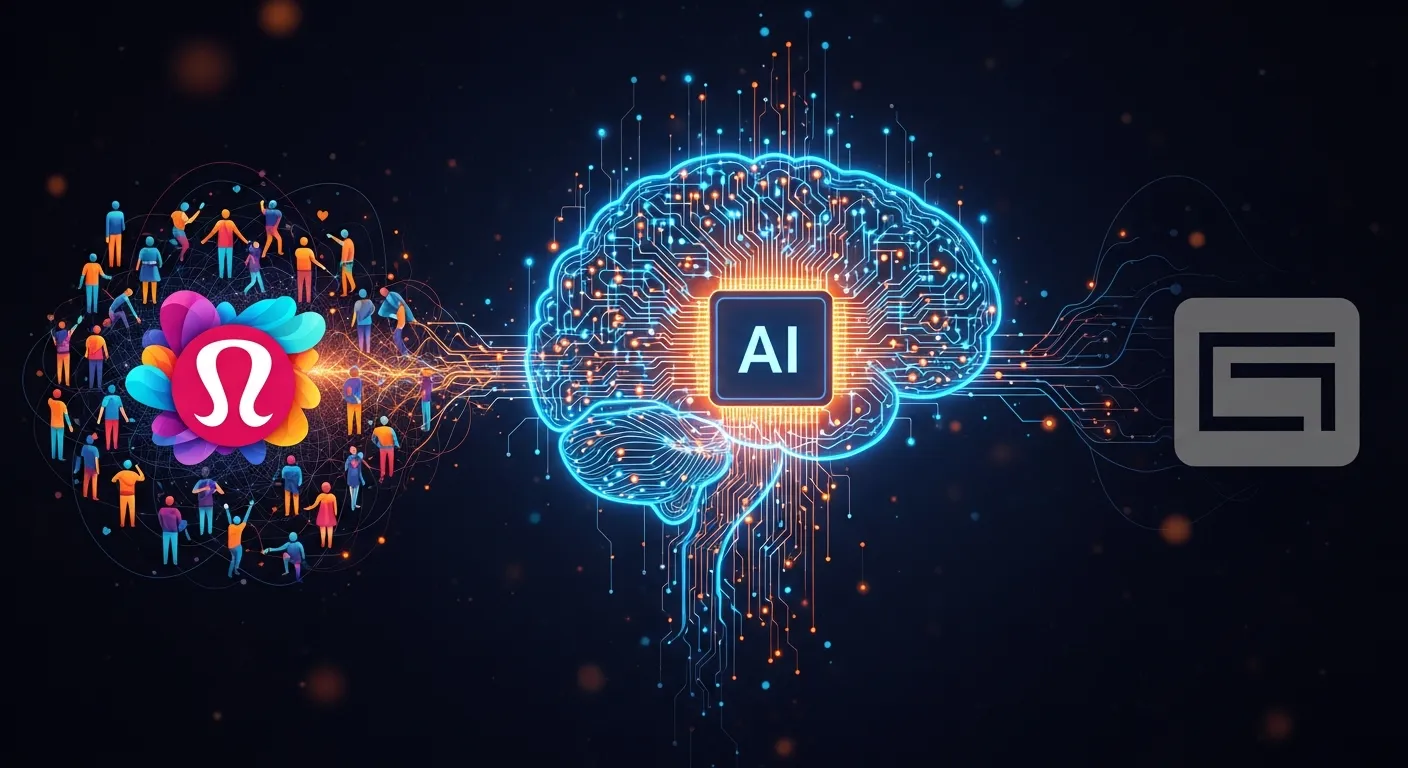
Why Smart Machines Favor Brands That Stand for Something
AI systems don't care about your ad budget. They care about what your brand actually means. Here's why that changes everything for marketers.
Picture this: you ask your AI assistant to recommend a yoga mat. It doesn't suggest the brand with the biggest advertising budget or the most Google ads. Instead, it points you toward a company known for quality, community, and helping people feel their best.
This isn't some distant future scenario. It's happening right now, and it's completely rewiring how brands get discovered.
The old playbook is breaking down. For decades, marketers could buy their way to visibility. Spend enough on ads, get enough impressions, and eventually people would remember your brand. But AI systems work differently. They don't count how many times someone saw your billboard. They look for substance.
The Great Marketing Divide
Think about the brands you truly love versus the ones you simply know about. There's a huge difference, and AI systems are getting better at spotting it.
Brands fall into two camps these days. The first group built their reputation on transactions. They focused on features, benefits, and getting people to buy stuff right now. Every campaign was designed to drive immediate sales, then they'd start over with the next campaign.
The second group built something deeper. They created meaning. They stood for something beyond their products. When people think about these brands, they don't just think about what they sell. They think about how those brands make them feel or what they represent.
Here's what's fascinating: the stock market has been rewarding the second group for years. Companies that invest in brand meaning see their stock prices compound over time. Companies that chase quick transactions often see their growth stall.
But now AI is making this divide even more pronounced.
Why AI Thinks Differently About Brands
When you search Google, the algorithm looks at keywords, links, and technical factors. It's pretty mechanical. But when you ask ChatGPT or Claude for a recommendation, something different happens.
These systems have been trained on millions of articles, reviews, and conversations about brands. They've absorbed not just what companies say about themselves, but what customers, journalists, and industry experts say too. They can spot the difference between a brand with genuine reputation and one that just advertises a lot.
This creates a problem for brands that never built real meaning. Their expensive ad campaigns become nearly invisible to AI systems. Meanwhile, brands with authentic stories and clear values get recommended more often.
It's like having a really smart friend who sees through marketing fluff and only suggests things they genuinely believe in.
The Consistency Problem That's Killing Brands
Here's something most marketing teams don't want to admit: they change direction way too often.
A new marketing director comes in and wants to make their mark. A campaign runs for six months and gets replaced with something completely different. The brand voice shifts with every rebrand.
This constant change is expensive in ways most companies don't realize. Every time you abandon a working campaign to start fresh, you're throwing away all the recognition you built. It's like climbing a mountain, getting halfway up, then deciding to climb a different mountain instead.
The most successful brands stick with their core message for years. They might update the execution, but the fundamental story stays the same. This consistency builds trust over time, and AI systems can recognize that stability.
Think about brands you've known for decades. The really strong ones have kept the same personality and values, even as their products evolved. That consistency creates a compound effect where each new campaign builds on the last one instead of starting over.
What This Means for Your Marketing Budget
The shift toward AI-driven discovery changes how you should think about marketing investments. Money spent on brand building now has a different return profile than money spent on performance marketing.
Performance marketing gives you immediate results you can measure. You run ads, people click, some of them buy. But those results don't compound. When you stop spending, the results stop coming.
Brand investment works differently. It builds assets that get more valuable over time. A strong brand reduces the cost of every future sale because people already trust you. They're more likely to choose you without needing to be convinced.
In an AI-mediated world, this difference becomes even more important. Performance marketing creates signals that AI systems mostly ignore. Brand investment creates exactly the kind of signals they're designed to surface.
This doesn't mean performance marketing is dead. You still need it for immediate results and to capture demand that already exists. But the balance is shifting toward longer-term brand building.
Building AI-Friendly Brand Meaning
So how do you build the kind of brand meaning that AI systems will recognize and recommend?
Start with clarity about what you stand for. Not what you sell, but why you exist. What problem do you solve that goes beyond your product features? What do you believe about your industry or your customers' lives?
Make sure this meaning shows up consistently across everything you do. Your website copy, social media posts, customer service, and even your hiring practices should all reflect the same core values.
Focus on building genuine relationships with customers rather than just transactions. Encourage reviews, testimonials, and user-generated content. These create the kind of third-party validation that AI systems pay attention to.
Invest in content that demonstrates your expertise and values rather than just promoting your products. Educational content, thought leadership, and helpful resources all contribute to your brand's meaning in ways that AI can recognize.
Most importantly, be patient. Brand meaning doesn't develop overnight. It requires consistent effort over months and years. But once you build it, it becomes increasingly valuable as more people discover brands through AI recommendations.
The New Rules of Brand Discovery
The marketing landscape is changing faster than most companies realize. Traditional advertising still works, but it's becoming less effective at driving discovery. People are asking AI assistants for recommendations instead of searching Google. They're trusting algorithmic suggestions over banner ads.
This shift rewards brands that invested in meaning and punishes those that relied purely on media spend. It's not enough to be known anymore. You need to be known for something specific and valuable.
The companies that figure this out first will have a significant advantage. They'll get recommended more often, which leads to more customers, which creates more positive signals for AI systems to recognize. It's a virtuous cycle that compounds over time.
But companies that ignore this shift risk becoming invisible. No amount of traditional advertising can overcome structural invisibility in AI-driven discovery systems.
The choice is becoming clear: build meaningful brands that stand for something, or watch AI systems recommend your competitors instead. The machines are getting smarter about spotting authentic value, and they're not impressed by marketing budgets alone.
Share this article
Join the newsletter
Get the latest insights delivered to your inbox.