
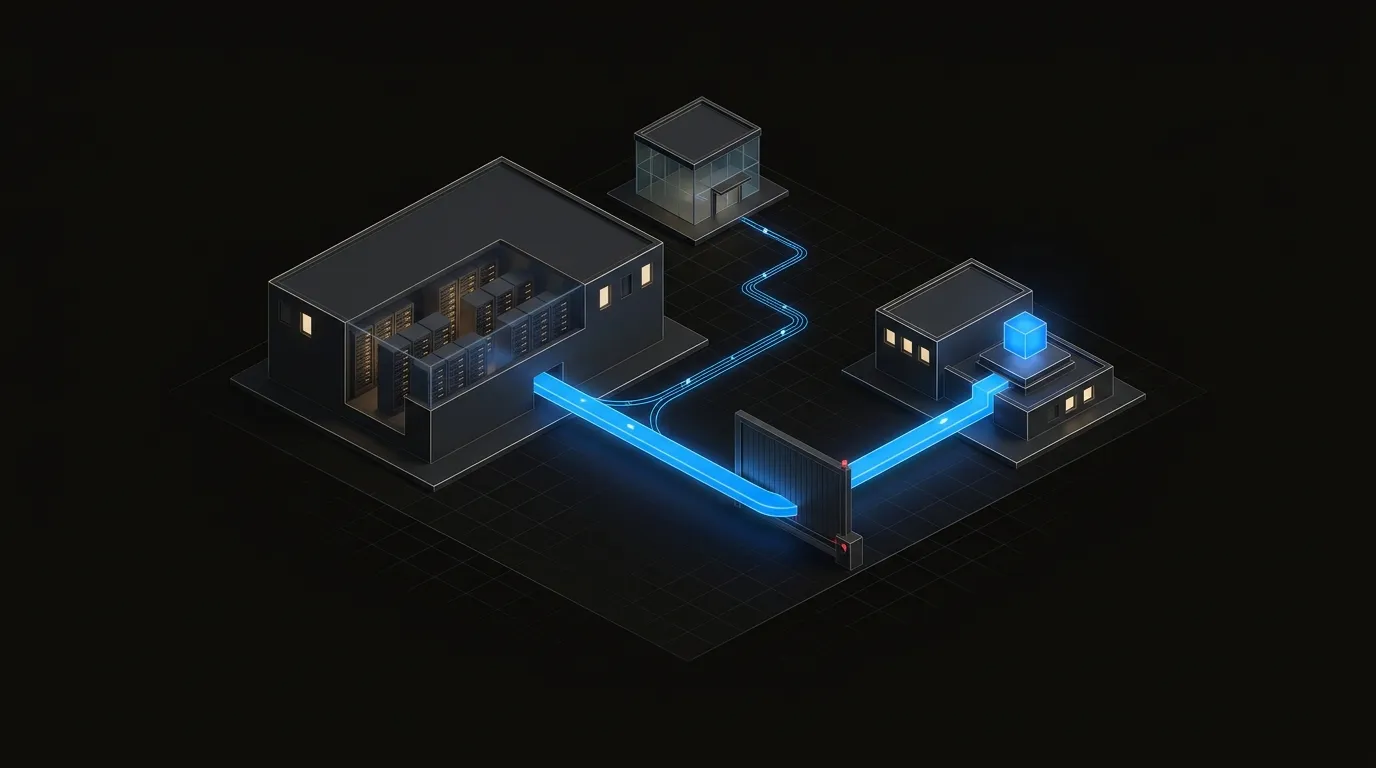
Anthropic, the company behind Claude, is reportedly paying Elon Musk's xAI roughly $3.1 billion a month for computing power, and the deal can be canceled with 90 days' notice. If your business runs on AI tools, treat that capacity like any other supply chain you don't control.
The news comes from The Decoder, which summarized reporting by the New York Times. xAI has been renting compute to rivals since May, and Anthropic is now its biggest customer. Google spends $800 million on xAI compute as well, though The Decoder doesn't say over what period. Both the Anthropic deal and the Google deal can be canceled with 90 days' notice.
xAI is also changing what it sells. In August, according to The Decoder, Musk pushed engineers in a group chat for “revenue per GPU,” frustrated in part that xAI's own models can barely compete. He reportedly renamed an internal chat “Sell compute because we can't compete.” The Times reporting says xAI's June IPO made the push for revenue even more urgent. Unnamed insiders say xAI had to finish new data centers by October to fill Anthropic's orders.
Product cuts followed. xAI shut down its AI avatars in September. In November, unit chief Mike Nicolls told staff that the 60-person team behind Grok Imagine, xAI's image and video generator, would be disbanded. An internal memo pointed to critical business priorities. Musk says Anthropic wants to rent even more compute, but that claim is his alone. One sentence in The Decoder's piece says a customer accounts for over half of xAI's total revenue, but it's garbled and doesn't clearly name which one. The piece includes no comment from xAI, Anthropic, or Google.
Your AI vendor has a landlord
Most companies buy AI the way they buy software. You pick a model, get an API key, and wire it into a support queue or a sales tool. But every answer runs on a chip in a data center somewhere, and this story shows how loosely some of those chips are tied to the company selling you the answers.
Picture a mid-sized insurance broker whose claims triage runs on Claude. That broker has a contract with Anthropic. It has no contract with xAI, no view into that deal, and no say if xAI decides next year it would rather point those chips at its own models.
Ninety days is one quarter. That's less time than many mid-market firms need to approve a new vendor, never mind move a live workflow to a different model, rewrite the prompts, and retest the outputs. And the landlord here also competes in models. By The Decoder's account, its strategy has swung toward renting chips out over the past several months because its own products were struggling.
The Decoder reports that OpenAI killed its Sora video model over capacity limits, and xAI just broke up the Grok Imagine team. A marketing team that built a content process on either tool learned that a product can disappear when its maker finds a better use for the hardware.
A fair skeptic would say this is a normal market doing its job. A customer paying billions a month is the last one xAI wants to lose, so the 90-day clause is a formality. I agree the incentive is strong today. But incentives are what changed at xAI this year, and they could change again. A model that finally competes, or new pressure from public shareholders, would shift the math, and you'd be the last to hear about it.
What to do this quarter
- Ask your AI vendors what happens to your rate limits and uptime if they lose a compute supplier. Then check whether your contract has a real service-level commitment or just best effort. If the answer is vague, write that down next to the vendor's name.
- Keep a second model tested on your one or two most important workflows. It doesn't need to be live. Store your prompts and test cases outside any one vendor's console, so a switch takes weeks instead of a quarter.
- Go easy on building core processes around side products like image and video generators. Sora and Grok Imagine suggest those are the first things cut when capacity runs short. If one sits inside a campaign process, know your fallback now.
The first signal to watch is whether Musk's claim holds and Anthropic rents more from xAI. A bigger deal means deeper dependence on a rival's hardware, on terms nobody outside the two companies has seen. The second is whether xAI keeps cutting its own AI projects, which would tell you how far it's leaning into being a landlord. The third is closer to home. Watch your own usage dashboards and the emails about changed limits that people tend to skim.
My bet is that within the next year, at least one major AI vendor will tighten usage limits or retire a feature and blame capacity, and its business customers will get far less warning than 90 days. If your main AI vendor's capacity dropped sharply next quarter, which of your workflows would break first?