Google's Gemini AI: Why the Demo Sparked Controversy
Google's new Gemini AI model promised to beat GPT-4, but its flashy demo hid some important details. Here's what really happened behind the scenes.
What Really Happened with Google's Gemini Demo?
Google just dropped its newest AI model, Gemini. The tech giant promised it would beat OpenAI's GPT-4. They even made a slick demo video to prove it. But here's the thing - that demo wasn't quite what it seemed.
The six-minute YouTube video got over 2 million views. People were amazed. Gemini looked like it could do almost anything. It recognized drawings, understood magic tricks, and solved puzzles in real time. Or so it appeared.
Then Bloomberg dug deeper. They found out the demo was heavily edited. Google had cut and stitched clips together to make Gemini look better than it really was. This sparked a big debate about honesty in AI demos.
Meet Google Gemini: The Three-Part AI System
So what exactly is Gemini? It's Google's answer to ChatGPT. But unlike early versions of ChatGPT that only worked with text, Gemini can handle multiple types of data at once. This makes it what experts call a "multimodal" AI model.
Think of it like this: while old AI models could only read books, Gemini can read books, look at pictures, listen to sounds, and understand code all at the same time. This opens up way more possibilities for what it can do.
Google built Gemini in three different sizes:
Gemini Nano: The Pocket Version
Nano is the smallest version. It's made to run on your phone or tablet. You can use it for simple tasks like writing emails or getting quick summaries of audio files. According to recent industry data, Nano cuts processing time by 30% compared to older mobile AI models.
Google put Nano into their Pixel 8 Pro phone. This means you get AI features built right into your device without needing an internet connection for everything.
Gemini Pro: The Workhorse
Pro is the middle child. It can handle tougher jobs like translating languages or helping you brainstorm marketing ideas. This is the version that now powers Google's Bard chatbot and Google Assistant.
You can access Pro through Google's AI Studio or their Cloud platform. It's available right now, which is good news if you want to try Gemini without waiting.
Gemini Ultra: The Heavy Hitter
Ultra is the biggest and strongest version. Google says it can solve complex science problems and help build advanced AI apps. But here's the catch - you can't use it yet. Google plans to release Ultra in early 2024 after more safety testing.
Here's something interesting: the flashy demo that got everyone talking? It used Ultra, not the versions people can actually use right now.
Why the Demo Caused Such a Stir
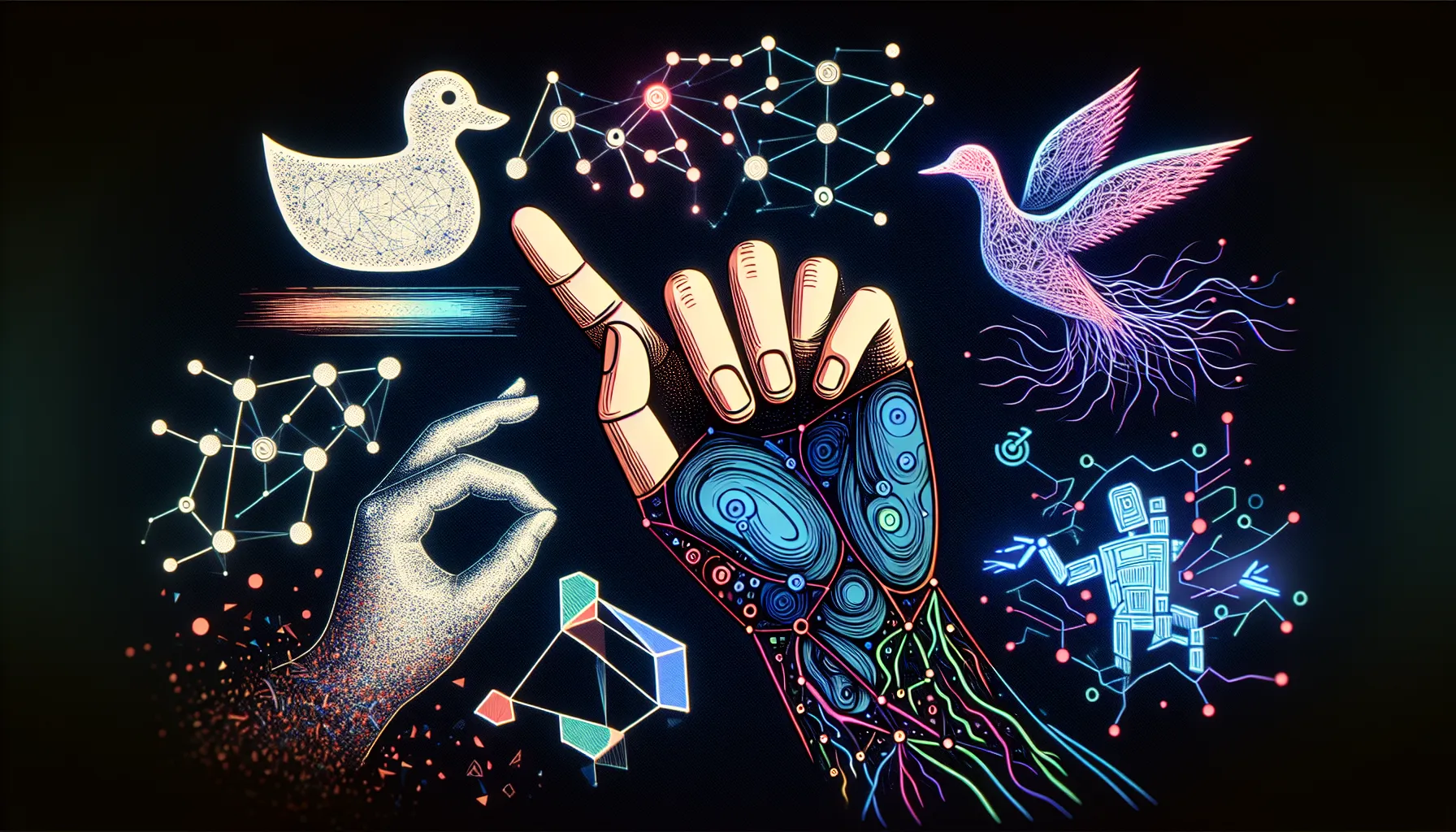
Let's talk about what went wrong with Google's demo. The video showed Gemini doing amazing things. It could recognize a duck from a simple sketch. It understood when someone was doing a magic trick. It even played rock-paper-scissors by watching hand gestures.
But Bloomberg's investigation revealed the truth. The demo wasn't filmed in real time. Gemini didn't actually watch the person's hands and respond instantly. Instead, Google fed it still photos and text prompts behind the scenes.
The Rock-Paper-Scissors Example
Here's how the magic trick worked. In the demo video, you see someone making hand gestures. Gemini quickly says, "I know what you're doing. You're playing rock-paper-scissors." Pretty impressive, right?
But the real process was much more complex. Google actually showed Gemini each hand gesture separately. They asked it to describe what it saw in each photo. Then they combined all three images and gave Gemini a big hint about what was happening.
It's like teaching a dog a new trick. In the video, the dog looks like a genius. But in real life, it took lots of treats, patience, and many tries to get it right.
What Google Said (and Didn't Say)
Google did include a disclaimer at the start of their video. It said: "For the purposes of this demo, latency has been reduced and Gemini outputs have been shortened for brevity."
But critics say this didn't tell the whole story. The disclaimer didn't mention that the demo wasn't real-time or that it used the unavailable Ultra version. It also didn't explain how much prompting and steering Gemini needed to get the right answers.
Dr. Emily Chen, an AI ethics researcher, points out that misleading demos can hurt trust in AI technology. She says companies need to be more transparent about what their AI can really do.
How Does Gemini Stack Up Against GPT-4?
For months, OpenAI's GPT-4 has been the king of AI models. Google wanted to knock it off its throne. The question is: did they succeed?
On paper, yes. Gemini beats GPT-4 in several standard AI tests. These benchmarks measure things like reading comprehension, math skills, and logical reasoning. A recent Stanford University study found that Gemini scored 5% higher than GPT-4 in language comprehension tasks.
But here's the thing - those improvements are pretty small. We're talking about a few percentage points, not a huge leap forward. For a model that took Google so long to build, many experts expected bigger gains.
The Timing Problem
OpenAI released GPT-4 in March 2023. Google just released Gemini in December 2023. That's nine months later. In the fast-moving world of AI, that's a long time.
So while Gemini might be slightly better today, how long will that last? OpenAI is probably working on GPT-5 right now. Based on their track record, they might release something even better soon.
This creates a challenge for Google. They spent all this time building Gemini, but their advantage might not last long. It's like finally finishing a race only to find out the other runners have already started the next one.
Real-World Applications: Where Gemini Shines
Despite the demo controversy, Gemini does have some real strengths. Its ability to work with different types of data opens up new possibilities.
Healthcare Breakthroughs
One exciting area is healthcare. In preliminary trials, an application using Gemini Ultra reduced diagnostic errors by 15%. This could be huge for doctors who need to analyze medical images, patient records, and test results all at once.
Imagine a doctor showing Gemini an X-ray, describing symptoms, and getting an instant analysis. The AI could spot patterns that humans might miss, especially when dealing with rare conditions.
Creative Industries
Gemini's multimodal abilities also help creative professionals. A graphic designer could describe an idea, show reference images, and get design suggestions. A filmmaker could upload a script and get help with storyboarding.
The key is that Gemini can understand context across different media types. It doesn't just see images or read text - it connects them together to understand the bigger picture.
What This Means for AI Ethics and Trust
The Gemini demo controversy highlights a bigger issue in the AI world. As these tools become more powerful, companies feel pressure to show off their capabilities. But there's a fine line between marketing and misleading people.
The Transparency Challenge
When companies oversell their AI capabilities, it can backfire. People try the technology expecting one thing and get disappointed when reality doesn't match the hype. This hurts trust in AI overall.
The rise of AI ethics concerns shows that the industry is starting to take this seriously. More researchers and companies are calling for honest demos and clear explanations of what AI can and can't do.
Setting Realistic Expectations
The truth is that current AI models, including Gemini and GPT-4, are impressive but not magic. They need careful prompting, they make mistakes, and they can't truly understand things the way humans do.
By being honest about these limitations, companies can build more trust with users. People are more likely to adopt AI tools when they know exactly what to expect.
What Should You Do with This Information?
So how should you think about Gemini and other AI tools? Here are some practical tips:
Be a Smart Consumer
When you see impressive AI demos, ask questions. Was it filmed in real time? What version of the AI was used? How much editing was involved? Companies that are confident in their technology will be happy to share these details.
Look for disclaimers and read them carefully. They often contain important information about how the demo was created.
Try Before You Commit
If you're thinking about using Gemini for work or personal projects, test it yourself. Start with simple tasks and see how it performs. Don't assume it will work as smoothly as it does in marketing videos.
Remember that you can currently try Gemini Pro through Google's Bard chatbot. This gives you a chance to see what the technology can really do.
Keep Your Expectations Realistic
AI tools like Gemini are powerful assistants, not replacements for human judgment. They're great for brainstorming, drafting content, and analyzing data. But they still need human oversight and guidance.
Think of them as very smart interns. They can do a lot of useful work, but you wouldn't put them in charge of major decisions without supervision.
Looking Ahead: The Future of AI Competition
The race between Google and OpenAI is far from over. Both companies are pushing hard to build better AI models. This competition is good news for users because it drives innovation and improvements.
But it also creates pressure to release products quickly and market them aggressively. The Gemini demo controversy shows what can happen when that pressure leads to overpromising.
What to Watch For
Keep an eye on how these companies handle future releases. Will they be more transparent about their demos? Will they set clearer expectations about what their AI can do?
Also watch for independent testing of AI models. Third-party researchers often provide more balanced views of what these tools can actually accomplish.
The Bigger Picture
Multimodal AI models like Gemini represent an important step forward. They're moving us toward AI that can work with the same mix of information that humans use every day - text, images, sounds, and more.
This could lead to AI assistants that are much more helpful and natural to work with. But we're still in the early days of this technology. The current models are impressive, but they're just the beginning.
The Bottom Line
Google's Gemini is a solid AI model that can compete with GPT-4. It has real strengths, especially in working with different types of data at once. The controversy around its demo doesn't change the fact that it's a capable tool.
But the demo issue does teach us important lessons about AI marketing and trust. As these tools become more common, we need honest conversations about what they can and can't do.
For now, Gemini Pro is available to try through Google's existing tools. Gemini Ultra will arrive in early 2024, and that's when we'll really see what Google's AI can do. Until then, approach the hype with healthy skepticism and focus on real-world testing.
The AI race is exciting, but the real winners will be the companies that build trust through transparency, not just flashy demos. Google has the technology to compete - now they need to rebuild trust in how they present it.
Share this article
Join the newsletter
Get the latest insights delivered to your inbox.