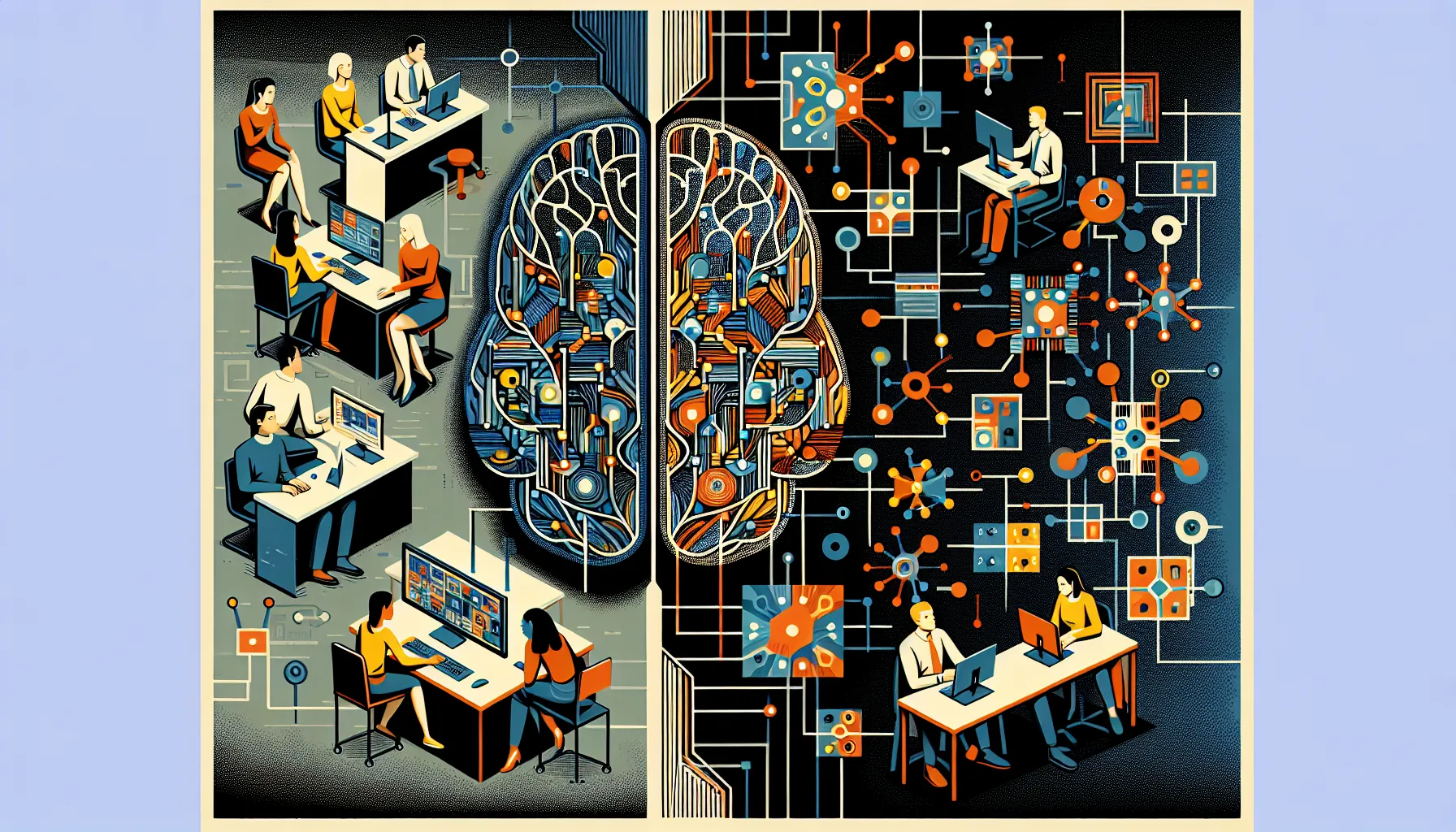
Why Most People Waste AI: The Hidden Skills Gap
Everyone's using AI, but most are barely scratching the surface. Here's what separates AI power users from everyone else—and how to bridge that gap.
Walk into any office today and you'll hear the same story. "Everyone's using AI now," managers say proudly. But here's the uncomfortable truth: most people are using AI like a fancy calculator when they could be using it like a research partner.
The gap between casual AI users and power users isn't just about time spent with tools. It's about mindset, approach, and understanding what AI can actually do. While companies celebrate adoption rates, they're missing the real question: are people using AI in ways that actually matter?
The Great AI Usage Divide
Think about how people use smartphones. Some folks use them for calls and texts. Others build apps, run businesses, and create content that reaches millions. Same device, completely different outcomes.
AI usage follows a similar pattern. Most people stick to surface-level tasks: quick summaries, basic writing help, or simple questions. They treat AI like Google with a personality. But the people getting real value? They're having conversations, building workflows, and solving complex problems.
This isn't about being tech-savvy. It's about understanding that AI works best when you work with it, not just at it. The difference shows up in results, productivity, and the kind of work people can tackle.
What Separates Power Users
Power users don't just ask better questions—they ask follow-up questions. When AI gives them an answer, they push back. "What if we tried this instead?" "Can you show me three different approaches?" "Help me think through the downsides."
They also understand context matters. Instead of dropping a task on AI and walking away, they set the stage. They explain what they're trying to accomplish, who the audience is, and what success looks like. This isn't just being thorough—it's being strategic.
Most importantly, they're not afraid to iterate. If the first response isn't quite right, they refine and try again. They treat AI like a brainstorming partner who needs guidance, not a magic solution machine.
The Collaboration Mindset Shift
Here's where most people get stuck: they want AI to do their thinking for them. But the real power comes from thinking with AI. It's the difference between asking "write me a report" and "help me explore different ways to present this data."
Consider how this plays out in practice. A typical user might ask AI to write an email. A power user asks AI to help brainstorm different tones for the email, then works together to craft something that fits their specific situation perfectly.
This collaborative approach takes more time upfront. But it produces better results and teaches you how to work with AI more effectively. You start recognizing patterns in what works and what doesn't.
Moving Beyond Quick Fixes
The temptation with AI is to use it for shortcuts. Quick answers, fast summaries, instant solutions. But shortcuts often lead to shallow results. Power users understand that AI's real strength isn't speed—it's depth and flexibility.
They use AI to explore ideas they wouldn't have considered. To challenge their assumptions. To work through complex scenarios step by step. This takes patience and curiosity, qualities that can't be automated.
When you shift from seeking quick fixes to exploring possibilities, AI becomes a thinking tool rather than just a productivity hack. The work gets more interesting, and the results get more valuable.
The Training Problem Nobody Talks About
Most companies roll out AI tools the same way they roll out any software: here's your login, here's a quick tutorial, good luck. But AI isn't like other software. It's more like learning a language or developing a skill.
You wouldn't expect someone to become fluent in Spanish after a 30-minute orientation. Yet that's exactly what we do with AI. We show people the basics and assume they'll figure out the advanced stuff on their own.
The result? Most people get stuck at the beginner level. They learn a few prompts that work okay and stick with those. They never discover what's possible because no one shows them how to push further.
What Effective AI Training Looks Like
Good AI training isn't about memorizing prompts or learning keyboard shortcuts. It's about developing judgment. When should you iterate? How do you know if a response is actually helpful? What makes a good follow-up question?
The best training happens with real work scenarios. Instead of generic examples, people need to practice with their actual tasks and challenges. This builds confidence and shows immediate value.
Training also needs to be ongoing. AI capabilities change fast, and people's comfort levels grow over time. One-and-done sessions don't work for something this dynamic and personal.
Building Better AI Habits
The gap between casual users and power users comes down to habits. Power users have developed patterns that work. They know when to push back, when to start over, and when to try a different approach.
These habits can be learned. Start by spending more time with your AI interactions. Instead of accepting the first response, ask for alternatives. Instead of simple requests, provide context and examples of what you want.
Try assigning AI different roles. Ask it to act as a critic, a brainstorming partner, or a subject matter expert. This helps you discover different ways AI can be useful beyond basic question-and-answer.
Experimentation Over Perfection
Power users aren't afraid to experiment. They try different approaches, test various prompts, and learn from what doesn't work. This experimental mindset is crucial because AI tools keep evolving.
What works well with one AI model might not work with another. What's effective for one type of task might fail for something else. The only way to discover these nuances is through hands-on experience.
This means embracing some messiness in the learning process. Not every interaction will be perfect. Some prompts will fall flat. That's normal and necessary for developing real skill.
The Organizational Challenge
Individual skill gaps are only part of the problem. Many organizations treat AI adoption like a technology project when it's really a culture change. They measure success by usage metrics instead of impact metrics.
Companies that get this right focus on outcomes, not activities. They ask what problems AI is helping solve, not how many people logged in last month. They create space for experimentation and learning, not just productivity gains.
This requires different leadership approaches. Managers need to understand AI capabilities well enough to recognize good usage when they see it. They need to encourage iteration and exploration, even when it takes more time initially.
Creating Learning Culture
The organizations seeing real AI impact are the ones that treat learning as part of the work, not separate from it. They create communities where people share what's working. They celebrate creative AI applications, not just efficient ones.
They also recognize that AI skills develop unevenly. Some people will always be more advanced users than others. The goal isn't uniformity—it's raising everyone's baseline while supporting the power users who can push boundaries.
Most importantly, they understand that AI isn't a destination. It's an ongoing capability that needs continuous development. The companies that invest in this long-term view will have a significant advantage as AI tools become more powerful.
The divide between casual and sophisticated AI users isn't permanent. With the right approach to training, culture, and expectations, organizations can help more people unlock AI's real potential. The question isn't whether your team is using AI—it's whether they're using it in ways that actually matter.
Share this article
Join the newsletter
Get the latest insights delivered to your inbox.